

Key Points
The United States is signaling a sharper, more transactional approach to Venezuela’s future, placing oil at the center of its diplomatic leverage. Comments from US Secretary of State Marco Rubio underscore how Washington intends to use control over Venezuelan crude exports as both an economic choke point and a negotiating tool following the removal of former president Nicolas Maduro.
At the heart of the strategy is US leverage over Venezuela oil—a policy built on enforcement of sanctions, maritime seizures, and a conditional pathway for Western oil companies to re-enter one of the world’s largest proven crude reserves. For businesses, investors, and global energy markets, the implications go far beyond bilateral diplomacy.
What Happened and Who Is Involved
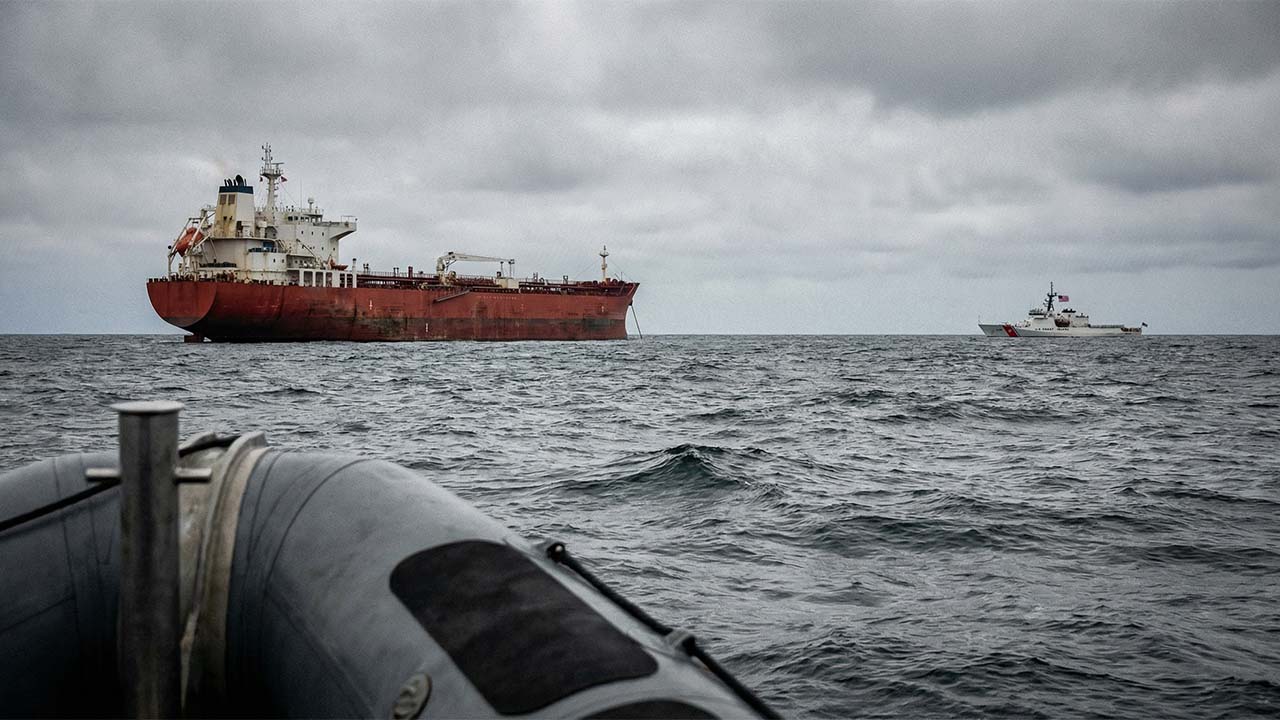
In a series of US television interviews, Rubio described what he called an oil “quarantine,” under which sanctioned Venezuelan oil shipments are actively intercepted and seized with court authorization. The aim, he said, is to prevent Venezuela’s oil revenues from flowing to US adversaries and to pressure the country’s new leadership to break ties with Iran, Hezbollah, and Cuba while curbing drug trafficking.
The policy direction aligns with remarks from Donald Trump, who suggested that US oil companies could ultimately invest billions of dollars to rebuild Venezuela’s long-neglected oil sector—provided the transition meets Washington’s conditions.
Despite these signals, the immediate political path remains uncertain. Trump indicated that the US would work with acting president Delcy Rodríguez toward a democratic transition, though cooperation from current power holders has been limited so far.
Why This Matters Now
Venezuela’s oil industry has been constrained for years by sanctions, underinvestment, and governance failures. What makes the current moment different is the convergence of three forces:
- A global shortage of heavy crude, which is particularly valuable to US Gulf Coast refineries designed to process it.
- A shift in Venezuelan leadership, creating a narrow window for renegotiating access and control.
- Heightened geopolitical competition, where oil revenues are seen as strategic assets that can strengthen or weaken rival states.
This combination gives Washington unusual leverage. Rubio openly framed oil enforcement as a tool not only to advance US national interests but also, in theory, to redirect Venezuela’s resource wealth toward broader economic recovery rather than elite enrichment.
How US Leverage Over Venezuela Oil Works in Practice
Unlike traditional sanctions that rely primarily on financial restrictions, this approach emphasizes physical control of exports. US naval and legal capabilities allow authorities to intercept sanctioned vessels, seize cargoes, and effectively paralyze revenue streams tied to oil shipments.
For Venezuela, oil remains the backbone of economic potential. Rubio characterized the sector as “backwards,” noting that revenues have historically failed to reach the general population. By controlling export flows, the US aims to force structural changes before allowing the industry to reconnect with global markets.
For US policymakers, this is leverage with measurable impact: fewer barrels shipped means less cash for entrenched power networks and fewer resources for alliances Washington considers hostile.
Business Impact: Energy Companies and Supply Chains
For multinational oil companies, US leverage over Venezuela oil presents both opportunity and risk.
On the opportunity side, Venezuela’s heavy crude is well-suited for US refineries, particularly along the Gulf Coast. With supply constraints elsewhere, access to Venezuelan oil could stabilize feedstock availability and margins for refiners.
However, the barriers are substantial. Any future investment hinges on regulatory clarity, sanction relief, and confidence that contracts will be honored. Years of political volatility and asset seizures have left investors cautious, even as potential returns remain attractive.
Service companies, shipping firms, and equipment suppliers would also be affected. A reopening of Venezuela’s oil sector could trigger demand across the energy supply chain, but only if enforcement actions evolve into a predictable framework rather than ad-hoc seizures.
Market and Economic Implications
From a market perspective, Venezuela’s output has been largely sidelined for years, limiting its immediate impact on global prices. Still, the strategic value lies in optionality. If sanctions were eased under a negotiated framework, Venezuelan production could increase over time, influencing heavy crude benchmarks and refining spreads.
For the US economy, greater access to nearby heavy crude reduces dependence on distant suppliers and mitigates geopolitical risk elsewhere. For global markets, it introduces uncertainty: traders must weigh the possibility of additional supply against the reality of continued enforcement.
For Venezuela’s domestic economy, the stakes are existential. Oil revenues underpin fiscal capacity, foreign exchange availability, and infrastructure rebuilding. Without access to export markets, economic recovery remains constrained.
Investor Considerations: Risk, Timing, and Governance
Investors should view developments through a long-term lens. While political headlines can move sentiment, actual capital deployment depends on governance reforms, transparency, and enforceable legal protections.
Energy investors, in particular, must assess whether US leverage translates into durable policy change or prolonged stalemate. A gradual transition could unlock value over years, not months, while sudden shifts in enforcement could disrupt planning.
Beyond energy, sovereign risk perceptions will influence Venezuela-linked bonds, regional equity markets, and currencies tied to energy trade. For global portfolios, the situation highlights how geopolitical enforcement can directly shape asset accessibility.
Consumer Effects: Indirect but Real
For consumers, the effects are indirect but meaningful. Stable heavy crude supply supports refinery efficiency, which can influence fuel pricing dynamics, especially in the US. While Venezuelan oil alone will not dictate pump prices, its availability contributes to broader market balance.
Globally, consumers in energy-importing countries may see marginal benefits if additional supply eventually reduces volatility. Conversely, prolonged enforcement could tighten heavy crude markets, reinforcing existing price pressures.
Official Signals and Strategic Messaging
Rubio has been careful to emphasize that sanctions and seizures are tied to actions, not rhetoric. The message to Venezuelan leaders is clear: tangible changes will determine the pace and scope of economic reintegration.
At the same time, US officials have avoided setting firm timelines for elections or sanctions relief, signaling flexibility while maintaining pressure. This ambiguity is itself a strategic tool, keeping leverage intact while monitoring behavior.
Forward-Looking Insight
The use of oil as leverage marks a pragmatic, high-impact approach to foreign policy—one that blends legal authority, market realities, and geopolitical priorities. Whether US leverage over Venezuela oil leads to a rebuilt industry or a prolonged standoff will depend on governance outcomes and the willingness of all sides to align economic incentives with political reform.
For businesses and investors, the key takeaway is caution paired with preparedness. Venezuela’s oil assets remain significant, but access will be earned through compliance, transparency, and time. For global markets, the episode reinforces a broader trend: energy is no longer just a commodity—it is a strategic instrument shaping economic and political outcomes worldwide.