

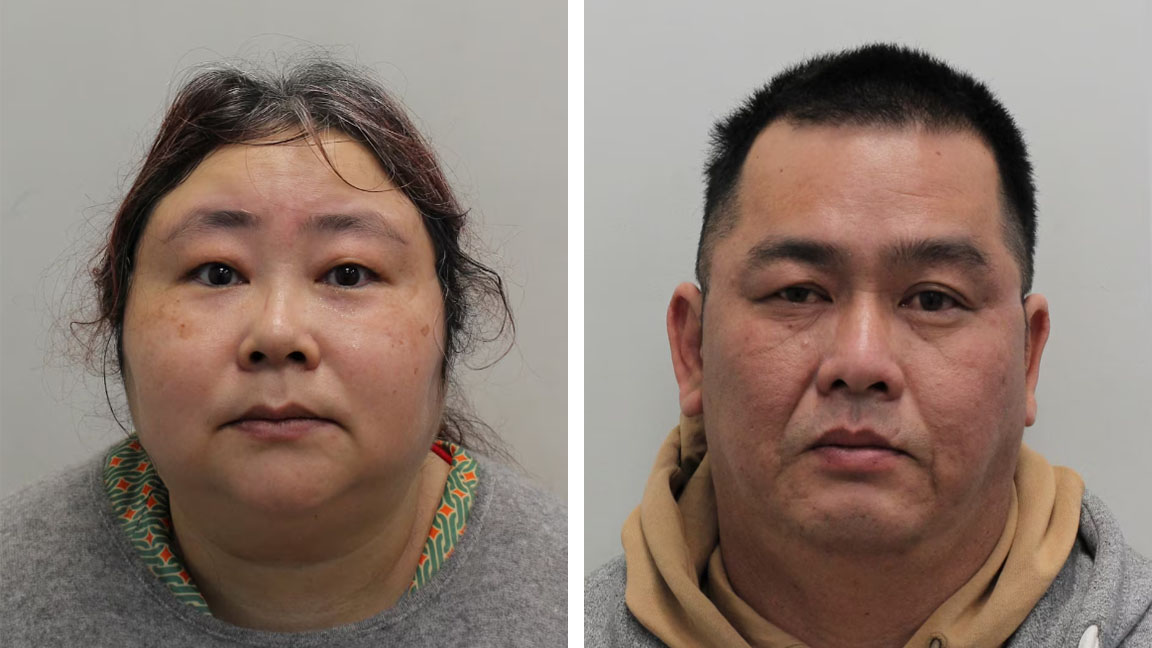
UK bitcoin money laundering took center stage in London as a judge sentenced Qian Zhimin to 11 years and eight months for laundering proceeds from a vast Ponzi scheme in China, a case anchored by a record seizure of more than 61,000 bitcoin now valued at over $6 billion. British police say the haul is the largest bitcoin seizure worldwide, underscoring the scale of criminal proceeds moved through cryptocurrency.
Key Points
The sentencing on Tuesday followed Qian’s guilty pleas in September to two money-laundering charges. In court, Judge Sally-Ann Hales told Qian, who wept in the dock, “You were the architect of this offending from its inception to its conclusion … your motive was one of pure greed.”
Sentencing in London After Record Cryptocurrency Seizure
The ruling caps the criminal proceedings in a case the Metropolitan Police has called one of the largest money laundering cases in UK history. Prosecutors detailed how Qian laundered fraud proceeds into bitcoin after running an investment operation in China that drew in nearly 130,000 investors.
While the custodial sentence is now set, the UK bitcoin money laundering case is far from over. A separate legal fight is looming over how to handle the seized bitcoin and how victims will be repaid. British prosecutors are considering a compensation scheme to return funds to those defrauded.
How the UK Bitcoin money laundering case unfolded
Prosecutors say Qian ran an investment fraud through her Lantian Gerui company between 2014 and 2017. About 128,000 people invested roughly 40 billion renminbi, with approximately 6 billion renminbi siphoned off. More than 80 people linked to the scheme were convicted in China.
Qian, 47, fled China via Myanmar, Thailand, Laos, and Malaysia before flying to London using a St Kitts and Nevis passport. Once in Britain, prosecutors said she tried to convert bitcoin bought with the fraud’s proceeds into cash. Spending included more than 95 million renminbi on jewelry, alongside attempts to make large purchases that could move value out of crypto and into tangible assets.
From Arrest Attempts in China to a UK Investigation
Chinese police attended a Lantian Gerui event in July 2017 to arrest Qian, but she avoided detention and continued her journey out of the country. In the UK, British police first encountered her in 2018 when they searched a London address where Qian was living with her associate Wen Jian after the pair attempted to buy a property in north London.
Devices seized at that address contained around 61,000 bitcoin. Authorities did not access the holdings until 2021, when the value was estimated at 1.5 billion pounds. By the time of sentencing, the bitcoin were worth more than $6 billion.
Co-Conspirators and the Movement of Bitcoin
Wen was arrested in 2021, charged in 2022, and tried in 2023, when a jury could not reach a verdict. She was re-tried and convicted of one money-laundering charge in 2024. As Wen’s re-trial played out, some bitcoin moved from a wallet linked to Qian to an account set up by another helper, Ling Seng Hok. He pleaded guilty to entering into a money laundering arrangement.
This movement helped investigators locate Qian at an address in York in northern England, where she was arrested in April 2024. Ling was sentenced on Tuesday to nearly five years, adding to the list of convictions stemming from the UK bitcoin money laundering investigation.
Claims From Both Sides Presented in Court
Prosecutors told the court that some victims lost life savings, homes, or even marriages as the fraud unraveled. The scale of loss and the number of investors helped explain the severity of the punishment.
Qian’s lawyers argued that she never intended to defraud anyone and said the “astronomic rise in the value of bitcoin means it will greatly exceed the amount needed to compensate victims.” Before changing her pleas, Qian had claimed she was the target of a Chinese government crackdown on successful crypto entrepreneurs. On what was set to be the first day of trial, she admitted possessing and transferring criminal property.
The Record 61,000 BTC Seizure
Police said the seizure of more than 61,000 bitcoin is the largest of its kind anywhere in the world. The digital assets were linked to the conversion of funds from the Lantian Gerui scheme into cryptocurrency. The UK bitcoin money laundering case demonstrates how law enforcement can trace digital transactions over time, even when assets move across wallets and borders.
Investigators took years to access and follow the funds, eventually using on-chain movements during Wen’s re-trial to pinpoint Qian’s location. The scale of the seizure—and the subsequent increase in bitcoin’s market value—now frames the debate over how to repay victims through a court-supervised process.
Timeline of Key Events
- 2014–2017: Prosecutors say Qian ran an investment fraud via Lantian Gerui in China; roughly 128,000 people invested about 40 billion renminbi; around 6 billion renminbi allegedly siphoned.
- July 2017: Chinese police attended a company event to arrest Qian; she avoided detention and fled through several countries before reaching London.
- 2018: British police searched a London address and seized devices holding about 61,000 bitcoin.
- 2021: Authorities accessed the bitcoin, then worth about 1.5 billion pounds. Wen was arrested the same year and later charged.
- 2023–2024: Wen’s first trial ended without a verdict; she was retried and convicted in 2024. During proceedings, Bitcoin moved to an account set up by Ling Seng Hok.
- April 2024: Police traced the movement and arrested Qian in York.
- September 2025: Qian pleaded guilty to possessing and transferring criminal property.
- November 2025: Qian was sentenced to 11 years and eight months; Ling received nearly five years.
Why this matters for victims and regulators
For investors in the Lantian Gerui scheme, the next phase is critical. With the criminal case concluded, courts and prosecutors must determine how to distribute seized assets. British authorities are mulling a compensation scheme for victims, a complex process given the fluctuating value of bitcoin.
The UK bitcoin money laundering case also highlights the interplay between cross-border fraud and digital assets. It underscores how seizures can become pivotal in returning value to victims, while raising questions about timing, valuation, and legal jurisdiction when cryptocurrencies are involved.
Legal Questions Still to Be Settled
The fate of the seized bitcoin remains undecided. Courts will need to address how to convert or allocate assets and how to measure losses against current valuations. The UK bitcoin money laundering case sets the stage for further hearings and potential claims by victims and stakeholders.
Prosecutors indicated that the compensation pathway is under consideration. Any final resolution will likely depend on court orders and asset-recovery frameworks that account for the size and complexity of the seizure.
What’s next in the UK bitcoin money laundering case
With sentencing complete, attention shifts to asset recovery and restitution. The court’s focus will include distribution mechanics, possible conversion of bitcoin, and verification of victims’ claims. Given the number of investors and the sums involved, the process could take time.
Meanwhile, the convictions of Wen and Ling add to the broader outcome of the investigation. Their roles—assisting in converting or moving bitcoin—helped law enforcement map flows and ultimately track Qian to York. The UK bitcoin money laundering case will continue to inform how authorities approach large-scale crypto-linked frauds.
Conclusion
The London sentencing marks a turning point in a case defined by a record cryptocurrency seizure and the devastation of a cross-border Ponzi scheme. UK bitcoin money laundering prosecutions can be complex and slow-moving, but this outcome shows how investigators can connect on-chain activity to real-world arrests and judgments.
What remains is the equally significant task of compensating victims. As British prosecutors consider a formal compensation scheme and courts weigh the fate of the seized bitcoin, the final chapter of this case will be written in how effectively those funds are returned to the people who lost them.
FAQ’s
How much bitcoin was seized, and is it a record?
Police seized over 61,000 BTC—valued at more than $6 billion—described by UK authorities as the largest bitcoin seizure worldwide to date.
Who is at the center of the UK bitcoin money laundering case?
Qian Zhimin admitted laundering proceeds from a China-based Ponzi scheme. She was sentenced in London after investigators linked her to more than 61,000 BTC.
What sentence did Qian receive and why?
She received 11 years and eight months. The judge called her the “architect” of the offense and said her motive was “pure greed.”
What happens to the seized bitcoin now?
A legal process is underway to determine restitution, with prosecutors considering a victim compensation scheme. Courts will decide how funds are handled and distributed.