

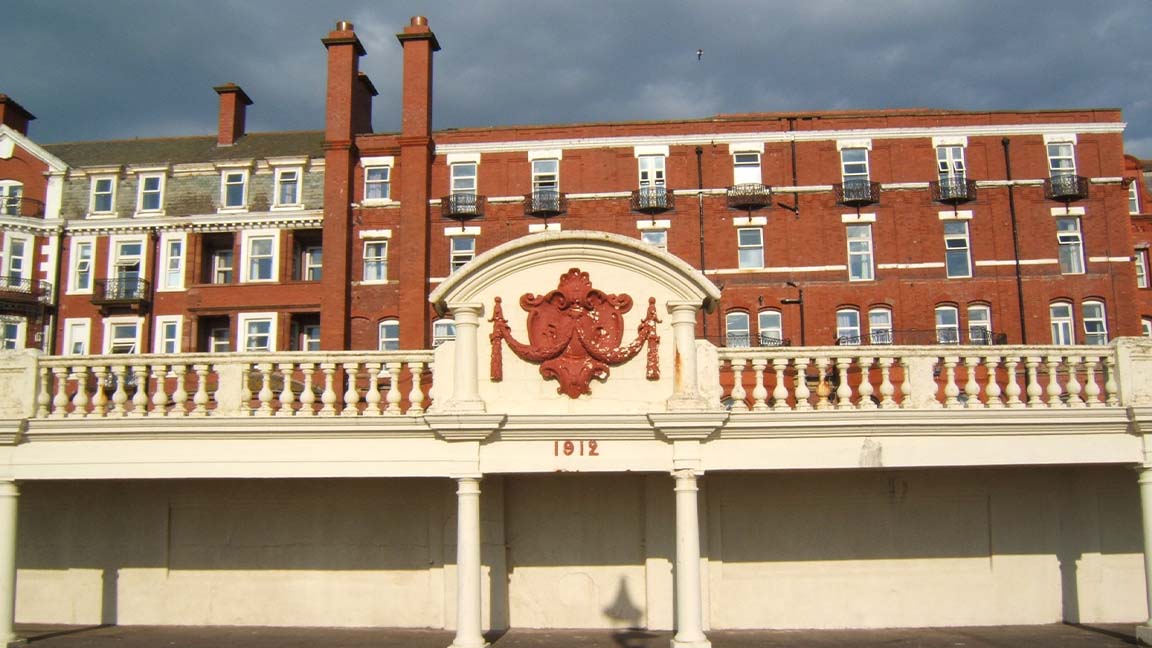
UK asylum hotel ruling reverberated across Westminster after a London judge backed the government’s continued use of hotels to house asylum seekers while longer-term sites come online. The decision, delivered on Nov. 11, rejected a bid by Epping Forest District Council to bar a local hotel from accommodating new arrivals, offering short-term relief to ministers managing a strained system.
Key Points
At issue was whether the Home Office could keep using hotels as contingency accommodation. The judge said the need remains clear and immediate, emphasizing that the alleged statutory breach “is far from being flagrant.” For Labour, which has pledged to end hotel use but still relies on it during transition, the judgment offers breathing room—without removing the political pressure to find alternatives fast.
What the UK asylum hotel ruling says
Judge Timothy Mould ruled that the government’s approach to sourcing temporary accommodation from hotels is lawful in the present circumstances. “The evidence before me clearly establishes that there is a continuing need to source contingency accommodation for asylum seekers from hotels,” he wrote, adding, “The breach is far from being flagrant.”
The case centered on a hotel in Epping Forest, northeast of London. The council sought to halt its use following a widely reported incident linked to a guest. The court declined to impose a ban, noting the broader national pressure on accommodation capacity and the government’s statutory duties.
In practical terms, the UK asylum hotel ruling keeps the Home Office’s current process intact while ministers work to scale up non-hotel options. It does not compel hotel use, but it shields the practice as a stopgap measure.
Why the ruling matters for Labour’s immigration plan
The government has repeatedly said it aims to end hotel use. Yet as of the year through June, more than 30,000 migrants were still living in tourist accommodation. That mismatch between policy intent and operational reality has been politically costly and financially burdensome.
By upholding hotel use in the near term, the UK asylum hotel ruling reduces the risk of an immediate accommodation gap that could have thrown the system into disarray. It also narrows the path for councils to mount similar challenges that might disrupt placements elsewhere.
For Labour, the judgment is not a victory lap. It is a window. Ministers still face intense scrutiny over costs, community impact, and timelines. But the ruling gives them legal cover to wind down hotels in a structured way, rather than under court-imposed deadlines.
Local challenge and the hotel at the center
Epping Forest District Council argued that the hotel’s use for asylum accommodation should be stopped. The push followed an alleged incident involving a minor that inflamed local tensions. Council leaders framed the case as a stand for community safety and the local authority.
The judge disagreed that a ban was warranted. He pointed to the national need for contingency capacity and the Home Office’s legal responsibilities. The outcome means the hotel may continue to operate as part of the asylum estate unless other legal or regulatory grounds intervene.
Politically, the case had outsized implications. An adverse decision might have encouraged copycat challenges across England, forcing rapid relocations and potentially destabilizing the placement system. The UK asylum hotel ruling forestalls that scenario.
Government response and planned alternatives
Ministers say the ruling aligns with their strategy: wind down hotels while opening other sites. The Home Office reiterated its goal in strong terms. “This government will close every asylum hotel,” a spokesperson said. “We are working to do so as swiftly as possible as part of an orderly, planned, and sustained program. This judgment allows us to do that.”
Alternatives under review include industrial locations and former military facilities—sites that, in theory, can be managed at lower cost and with clearer oversight. Moving to dedicated accommodation could also reduce friction with local hospitality businesses and communities wary of long hotel placements.
The operational challenge is sequencing. Decommissioning hotels before alternatives are ready risks overcrowding elsewhere. The UK asylum hotel ruling makes it easier to phase out withdrawals and avoid creating bottlenecks in the system.
Political temperature and public reaction
Immigration remains a flashpoint in UK politics. Polling has shown Labour losing ground to Reform UK on this issue, with discontent fueled by high-profile incidents and the visible use of hotels in towns and suburbs.
Conservative figures have criticized the judgment’s implications for local control. “This is a dark day for local democracy and a slap in the face to the people of Epping,” said Chris Philp, the party’s home affairs spokesperson. Reform UK and senior Conservatives, including Kemi Badenoch, had explored similar legal routes to challenge hotel use.
At the same time, business groups and local service providers have stressed the need for predictability. Frequent relocations disrupt employment, schooling, and healthcare access for those in the process. The UK asylum hotel ruling, by maintaining continuity, may mitigate some of those knock-on effects while alternatives are built out.
The incident that fueled the case—and what followed
Public anger escalated after a serious assault case involving a 14-year-old was linked to a guest at the Epping hotel. An Ethiopian national later convicted in the case was mistakenly released by prison authorities, drawing national headlines before being re-arrested and deported.
The episode heightened concerns about vetting and oversight. It also prompted calls for faster movement to purpose-built sites with dedicated security and support, rather than relying on properties designed for tourism.
Legal and policy implications beyond Epping
While confined to one hotel, the judgment will be read closely by councils, hoteliers, and advocacy groups nationwide. It suggests that, where the state can demonstrate a continuing need and reasonable management of impacts, courts may defer to the central government on short-term accommodation.
Still, the UK asylum hotel ruling is not a blank check. Local authorities retain tools in planning, licensing, and safeguarding. National policymakers must balance the ruling with commitments to community engagement, transparency, and timely exit from hotel contracts.
If appeals emerge—or if other councils craft narrower claims—the legal landscape could evolve. For now, the decision lowers immediate litigation risk and preserves capacity at a critical juncture.
Costs, contracts, and community impact
Hotels are expensive. Long stays strain budgets, service delivery, and neighborhood relations. Dedicated sites can concentrate services, streamline logistics, and reduce per-capita costs. But converting or opening such sites takes time, planning permission, and procurement.
Hospitality operators face their own calculus. Some contracts provide steady occupancy; others draw community pushback or brand concerns. The UK asylum hotel ruling keeps those contracts viable in the short run, but market dynamics will shift as dedicated facilities open and hotel demand tapers.
Community groups remain divided. Some argue that centralized sites away from high streets reduce friction; others prefer smaller, dispersed placements with strong local support. The government’s next steps will signal which model wins out.
What happens next after the UK asylum hotel ruling
In the weeks ahead, expect the Home Office to:
- Map a clearer timeline to close the most controversial hotel sites.
- Accelerate work on industrial and military locations, with staged openings.
- Publish updated guidance to councils and contractors on placement decisions and engagement.
- Shore up case management, safeguarding, and vetting protocols.
Epping Forest Council may consider options, but the ruling reduces prospects for a blanket prohibition. Other councils will weigh the judgment before pursuing similar actions. If a test case does move forward elsewhere, it is likely to focus on narrower planning or licensing claims rather than a broad ban.
The broader takeaway
The UK asylum hotel ruling does not resolve Britain’s accommodation challenge—it stabilizes it. It gives ministers legal space to shift away from hotels without collapsing capacity in the interim. It signals to councils that national contingency plans remain operative, while reminding Whitehall that the political clock is ticking.
Ultimately, the system will be judged on whether it delivers safer, cheaper, and more orderly accommodation—without overburdening local communities. That will hinge on execution: opening dedicated sites on schedule, communicating with residents, and exiting hotels credibly.
For now, the court’s message is clear: keep the lights on in the short term, and get the long-term plan done.
FAQ’s
What is the UK asylum hotel ruling?
A London judge upheld the Home Office’s use of hotels as contingency housing for asylum seekers, rejecting Epping Forest Council’s bid to block a local hotel. The court cited a continuing need.
Does this mean hotels will keep being used?
Yes, in the short term. Ministers plan to close every asylum hotel, but alternatives like industrial sites and former barracks need time to come online.
How does the UK asylum hotel ruling affect other councils?
It reduces the likelihood of blanket bans via copycat lawsuits. Councils may try narrower planning or licensing routes, but the central government’s position is strengthened.
How many asylum seekers are in hotels, and what’s next?
Over 30,000 were housed in tourist accommodation in the year through June. Expect phased hotel closures, dedicated sites opening, and updated safeguards and community engagement.
Image Credit: Robert Wade (Wadey) via Flickr (CC BY NC SA 2.0)
Article Source: Bloomberg