

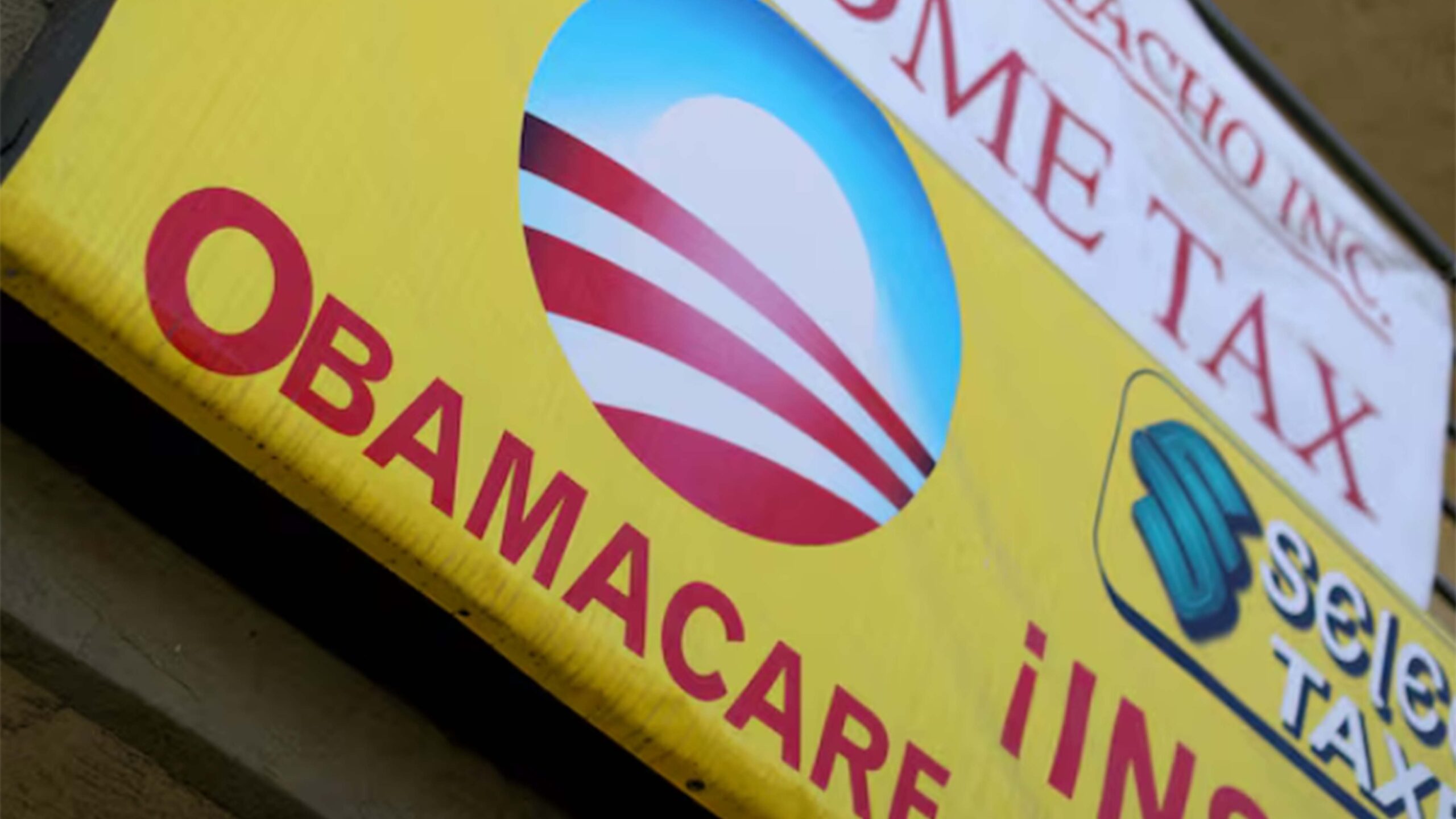
Obamacare premium spikes are emerging as one of the biggest concerns for Americans who rely on Affordable Care Act coverage, as a new KFF poll shows millions could walk away from their health plans if federal subsidies expire this year. The findings highlight the growing pressure facing Congress in December as lawmakers debate whether to extend pandemic-era tax credits that helped keep insurance affordable.
Key Points
A new nationwide poll from the health-research firm KFF reveals how sharply consumers could react if premiums nearly double in 2026. Roughly one-quarter of Americans enrolled in ACA marketplace plans said they may forgo insurance altogether if enhanced subsidies disappear and payments surge. With 24 million people currently covered through the program, the potential fallout is significant — financially, politically and socially.
As the subsidy debate intensifies, the data underscores a simple reality: millions of families are bracing for uncertainty as Washington weighs a decision that could reshape the health-insurance landscape heading into a critical election year.
Most Enrollees Want Congress to Prevent Obamacare Premium Spikes
According to KFF’s survey, about 84% of marketplace enrollees say Congress should extend the enhanced subsidies, which were originally introduced during the pandemic to offset rising healthcare costs. Support crosses party lines: nearly 95% of Democrats, eight in ten independents and about seven in ten Republicans expressed support for continuation.
The strong backing reflects how deeply the subsidies have become embedded in the ACA marketplace. For many households, they shielded consumers from sudden spikes in premiums, deductibles and out-of-pocket costs. Without them, premiums are projected to increase by an average of 114%, leaving insurers and patients preparing for dramatic price shifts in 2026.
State officials say some residents are holding off on enrolling this year, hoping lawmakers offer a last-minute solution. With the vote expected in December, consumers and insurers alike face an anxious waiting period.
Record Shutdown Refocused Attention on Healthcare Costs
The subsidy issue was at the center of the recent record-long federal government shutdown. Democrats have pushed strongly for extending the Biden-era enhanced tax credits, arguing that millions would otherwise face steep cost burdens. Republicans, meanwhile, are advocating for broader reforms to the ACA, while still debating whether a temporary extension aligns with their long-term policy goals.
Former President Donald Trump has indicated openness to directing funds to consumers to purchase insurance, and has also floated a two-year extension of the subsidies. The conversation remains highly fluid, with both parties weighing the economic and political implications.
Democrats’ sweeping wins in November elections have added pressure on Republicans, who are now working to address the issue before next year’s midterms — elections that will determine control of Congress. With healthcare affordability consistently ranking among voters’ top concerns, the subsidy vote is shaping up to be a defining moment.
Swing Districts Could Shift Over Obamacare Premium Spikes
Cynthia Cox, director of the ACA program at KFF, noted that marketplace enrollees hold sizable influence in competitive districts. In several swing areas, the number of ACA enrollees far exceeds the vote margins in recent congressional races. That dynamic could place enormous weight on how lawmakers handle the subsidy debate.
The stakes are particularly high in conservative states such as West Virginia, where the subsidies have become a leading electoral issue. For Republicans navigating deeply divided constituencies, decisions in the coming weeks could determine voter sentiment well into 2026.
A $1,000 Cost Increase Could Influence Votes
KFF’s poll shows that rising healthcare expenses could directly influence voter behavior in next year’s elections. About half of ACA marketplace enrollees said that a $1,000 increase in combined medical costs — including premiums, co-pays and deductibles — would affect their likelihood of voting or which party they choose.
Among independents, a key demographic for winning close elections, reactions diverged:
- More than four in ten said they would blame Trump for higher costs
- About one-third would hold Congressional Republicans responsible
- Nearly one-quarter would blame Democrats
Those mixed responses reveal both the complexity and intensity of voter sentiment around healthcare affordability — a trend that could play out heavily during the upcoming campaign season.
KFF CEO Drew Altman said the findings point to the serious challenges enrollees will face if subsidies are not renewed. He warned that the issue may become a defining symbol of Americans’ struggles with rising healthcare costs during the midterms if lawmakers fail to reach a compromise.
Uncertainty Slows Enrollment Ahead of December Vote
Officials across several U.S. states report that uncertainty over the subsidy extension has already affected enrollment behavior. Some consumers are delaying decisions until they see how Congress votes, hoping for an 11th-hour deal that stabilizes premiums.
With about 40% of marketplace enrollees identifying as Republicans or Republican-leaning independents — including a notable share aligned with the “Make America Great Again” movement — the political ripple effects of the subsidy vote could extend across party lines.
The KFF survey was conducted from November 7 to November 15, using a nationally representative sample of 1,350 adults ages 18 to 64 who purchase coverage through the ACA marketplace.
Looking Ahead
As Congress prepares for a high-stakes December vote, millions of Americans remain caught in limbo. The risk of Obamacare premium spikes is prompting widespread concern, deep political debate and growing urgency from state officials and consumer advocates. Whether lawmakers can reach a compromise will not only determine the cost of healthcare in 2026 but may also shape voter sentiment in an election cycle already defined by economic pressures.
For now, consumers, insurers and policymakers are watching closely — knowing the decisions made this month could redefine the future of the ACA marketplace and the affordability of healthcare for years to come.