

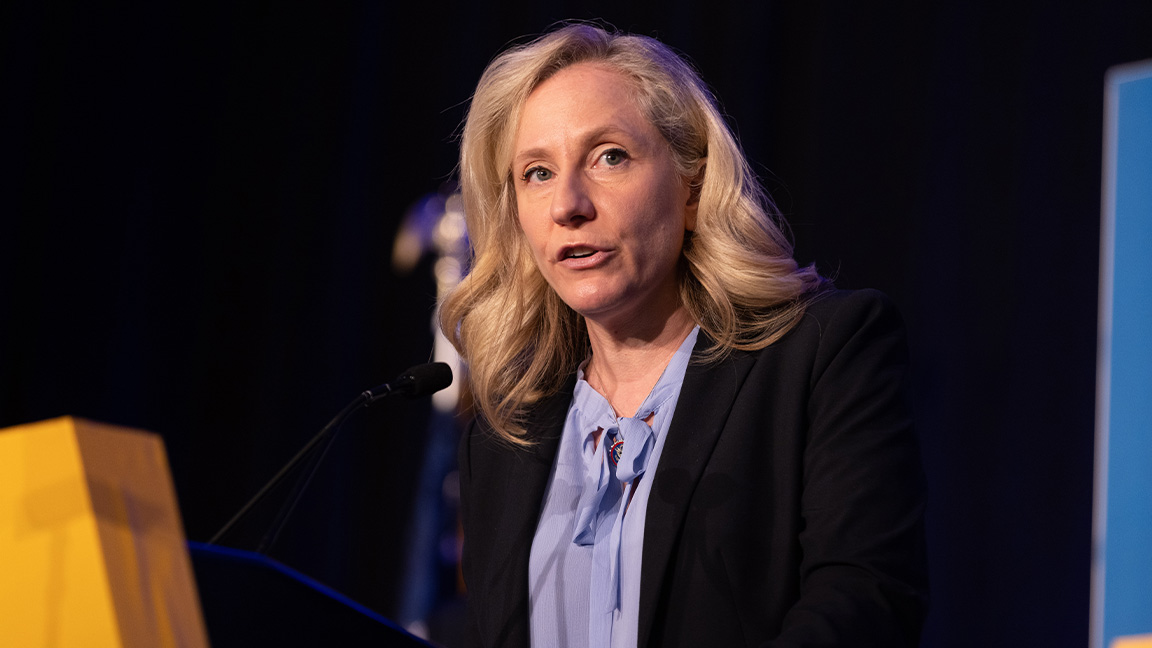
Cost of living emerged as the year’s defining political issue, reshaping campaigns and outcomes from New York City to Virginia and New Jersey. In races decided on Nov. 4, Democrats across the spectrum leaned into affordability and won: mayor-elect Zohran Mamdani in New York City, Governor-elect Abigail Spanberger in Virginia, and Governor-elect Mikie Sherrill in New Jersey.
Key Points
Exit polling showed voters ranking prices and household budgets ahead of crime, immigration, and abortion. The shift from technocratic talk of “inflation” to lived “cost of living” concerns proved decisive—and it is likely to influence policy priorities well beyond Election Day.
Why Cost of Living Beats Every Other Issue
The cost of living message connects because it mirrors how families experience the economy. While inflation is a rate, cost of living is a reality—rent due, the grocery bill, the utility payment, and the mortgage application.
Strategists from both parties have urged candidates to use plain language. Democratic pollsters such as Celinda Lake and messaging experts like Anat Shenker-Osorio have long recommended putting “affordability” front and center. Republican pollster Frank Luntz captured the point plainly: people don’t talk in macroeconomic terms; they talk about whether they can afford a home, health care, food, and fuel.
That clarity resonated. In major 2025 contests, voters repeatedly identified cost of living as the top concern, according to state and city exit polls.
How Affordability Framed the Elections
- New York City: Zohran Mamdani’s insurgent run focused relentlessly on affordability. He defined the contest around rent, transit, groceries, and everyday costs, helping him stand out in a crowded Democratic field and ultimately win.
- New Jersey: Mikie Sherrill’s “Affordability Agenda” prioritized drug pricing middlemen, landlord and mortgage-market practices, and emergency action on utilities, aligning with voters who tagged property taxes and rates as their biggest headaches.
- Virginia: Abigail Spanberger’s “Affordable Virginia Plan” emphasized cutting red tape to build more housing, expanding local energy production, and easing costs like child care—issues that matter in a state with a high share of federal workers and rising power bills.
In each case, the cost of living frame allowed local variation. The policies differed, but the shared theme—make life more affordable—anchored the narrative.
The Meaning of Cost of Living, Beyond Inflation
Affordability isn’t simply a synonym for inflation. It encompasses housing access, utility rates, transportation, health care, child care, and groceries—high-frequency expenses that shape household choices.
- Housing: Home prices rose nationally by about 31% over five years. Redfin data show Virginia’s median sale price up roughly 29% (to about $455,500), and New Jersey’s up 47% (to around $563,100). In New York City, the median rent reached roughly $2,481 in November, up 4% year over year, according to Apartment List.
- Utilities: The U.S. Energy Information Administration reported residential electricity prices up sharply in 2025 in several states, with Virginia and New Jersey outpacing the national average increase.
- Everyday expenses: Local cost-of-living indexes, like the Council for Community and Economic Research’s benchmarking across 272 U.S. urban areas, continue to place New York City at or near the top for overall costs.
Those numbers made the cost of living not just a talking point, but a daily reality for voters.
Cost of Living as a Campaign Blueprint
Candidates who succeeded translated macro trends into pragmatic fixes at the street level. They focused on what cities and states can control while acknowledging federal constraints.
- Transit and food access (NYC): Mamdani proposed free buses, a rent freeze for rent-stabilized apartments, and city-owned groceries in underserved areas.
- Utilities and market conduct (NJ): Sherrill targeted utility pricing, pharmacy benefit managers’ role in drug costs, and monopolistic behavior by landlords and mortgage companies.
- Supply and permitting (VA): Spanberger leaned into housing supply, permitting reform, and local energy to reduce bills, paired with child care access via expanded pre-K.
The common thread: meet voters where their cost of living pressures are most acute, and point to levers that can move in the near term.
Why 2025 Supercharged the Cost of Living Conversation
The 2025 calendar favored local races—governorships in high-cost states like New Jersey and Virginia, plus hundreds of mayoral contests. Without a national race crowding the agenda, cost of living dominated.
- New York City polling found seven in 10 voters calling housing costs a “major problem,” and a majority ranking cost of living as the city’s top issue.
- In New Jersey, roughly seven in 10 voters identified property taxes as a “major problem,” and six in 10 said the same for utility bills.
- In Virginia, a high share of voters reported that federal spending shifts had affected their household finances, while state polling earlier in the year put cost of living at the top of voter concerns.
When races are local, policy proposals are tangible—and the cost of living becomes a direct test of governing competence.
The Cost of Living Divide—and What Voters Want Next
Affordability also clarifies a political paradox. Voters cite strong headline job numbers while still feeling pinched. That’s because the cost of living strain isn’t evenly distributed. New homebuyers face higher monthly payments, renters see renewal spikes, and utility bills can jump unexpectedly. Meanwhile, health care and child care costs continue to outpace many paychecks.
This mix yields a nuanced mandate. Voters want:
- Faster, cheaper housing construction and more options at different price points.
- Relief on rates and fees in regulated utilities, with greater scrutiny of pricing.
- Support for child care and pre-K to ease a major household budget line.
- Concrete enforcement against anti-competitive practices that raise costs.
Candidates who have an elevated cost of living are likely to be judged on how quickly these pieces move.
Republican Response: Reclaiming the Message
Republicans quickly sought to reclaim the cost of living mantle. President Donald Trump, House Speaker Mike Johnson, and other GOP figures argued that their party had led on affordability and that Democrats adopted the “right problem” but the “wrong solutions.”
Expect Republicans to sharpen contrasts on permitting reforms, energy policy, taxes, and regulatory costs. The contest over who owns the cost of living agenda is far from settled—and both parties will be pressed to show measurable relief rather than rhetoric.
The Policy Rub: Different Places, Different Pressures
The cost of living is inherently local. That’s why platforms diverged across the three marquee wins:
- New York City: Density, transit access, and renter protections dominate debates, alongside food access in underserved neighborhoods.
- New Jersey: Property taxes, insurance, and utilities loom large; suburban housing supply and commuting costs shape budgets.
- Virginia: Housing supply and energy mix drive bills; regions with many federal workers are sensitive to federal budget swings and procurement cycles.
One-size-fits-all solutions rarely land. Voters accepted tailored approaches under a shared banner—the cost of living.
What Data Points to Watch
To assess whether cost of living promises turn into progress, track the metrics that touch households:
- Housing supply: New permits, time-to-permit, and completions by price tier.
- Rent and mortgage burdens: Rent-to-income and payment-to-income ratios.
- Utility bills: Average residential rates, arrears trends, and service disconnection data.
- Health and child care costs: Premiums for benchmark ACA plans and median child care rates by county.
- Market conduct: Actions against anti-competitive practices in housing, banking, and pharmacy benefit management.
Transparent data will be essential for voters to judge performance.
Reactions and Early Signals
- Donor and party response: National Democratic leaders framed the results as an endorsement of an affordability-first message that can travel, even if policies differ by place.
- Voter sentiment: In multiple polls, majorities in key geographies said cost of living was their top issue. Surveys such as those by the Associated Press, YouGov/Economist, and Virginia Commonwealth University underscored the salience.
- Cross-pressures: Affordability was strongest where housing and energy pressures converged. Local cost indices and utility rates made headlines in New York City, New Jersey, and Virginia.
These reactions point to a durable role for the cost of living in 2026 and beyond.
The Limits of Messaging—and the Need for Delivery
Messaging won races, but delivery will decide legacies. The cost of living framework raises expectations for near-term wins, not just long-term blueprints. That means faster permitting without sacrificing safety, clear rate relief mechanisms, and immediate steps to expand child care access.
The political risk cuts both ways. Overpromising invites backlash. Under-delivering invites opponents to reclaim the issue. Measurable, incremental relief—paired with candid timelines—will build credibility.
Conclusion: Affordability Is the New Organizing Principle
The 2025 cycle showed that the cost of living is more than a talking point—it’s the organizing principle of contemporary politics. It unites disparate concerns into a simple question: Can families afford a decent life where they live?
Democrats won by centering that question and tailoring solutions to local realities. Republicans are moving to retake the ground. Voters will reward whoever translates the cost of living promise into visible, verifiable progress—on rent, utilities, child care, health care, and the price at the checkout.
The next election won’t be decided by a macroeconomic statistic. It will be decided by whether people feel their cost of living is going down—and whether leaders can prove it.
FAQ’s
Why did cost of living become the top issue in the 2025 elections?
Local races put housing, utilities, and everyday expenses front and center. Exit polls showed prices and budgets outranking crime, immigration, and abortion across key states and cities.
What’s the difference between “cost of living” and inflation?
Inflation is the rate prices change; cost of living is what families actually pay for housing, food, utilities, health care, and child care. Voters respond to the tangible monthly bills, not just macro indicators.
What policies did the winning candidates propose to lower the cost of living?
NYC’s Mamdani backed free buses, a rent freeze, and city-owned groceries. NJ’s Sherrill targeted utility relief, PBM/drug pricing, and landlord/mortgage abuses. VA’s Spanberger focused on faster housing permits, local energy, and expanded pre‑K.
Where are costs rising fastest—housing or utilities?
Both hurt. Home prices rose about 31% nationally over five years (NJ ~47%, VA ~29%). NYC median rent hit ~$2,481 (+4% YoY), while electricity prices jumped ~21% in NJ and ~13% in VA, outpacing the U.S. average.
Article Source: Bloomberg
Image Credit: AFGE via Flickr (CC BY 2.0)