

Key Points
The NYC apartment bankruptcy sale unfolding in federal court offers a rare, high-stakes look into the financial strain gripping New York’s rent-stabilized housing market. A $451 million bid for dozens of distressed apartment buildings signals both opportunity and caution for investors navigating rising costs, tighter financing, and regulatory constraints in America’s largest rental market.
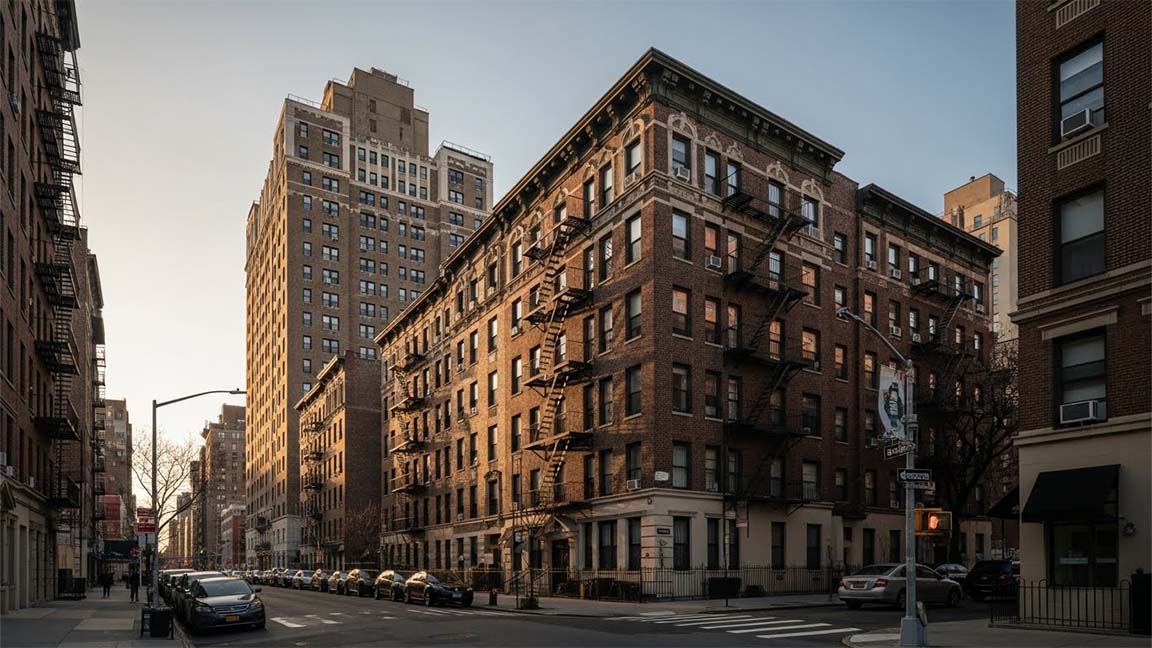
At the center of the transaction is Summit Properties USA, which has emerged as the stalking horse bidder for a sprawling portfolio of New York City residential buildings owned by Pinnacle Group. The properties—roughly 80 buildings housing about 5,100 apartments—are spread across Brooklyn, Manhattan, Queens, and the Bronx, with most units subject to rent-stabilization rules.
The deal, disclosed in bankruptcy court filings dated December 23, sets a floor valuation for assets that have become emblematic of the pressures reshaping urban multifamily real estate.
What Happened and Who’s Involved
The proposed NYC apartment bankruptcy sale stems from Pinnacle Group’s decision earlier this year to place a large portion of its residential portfolio into Chapter 11 protection. The filing followed mounting mortgage debt exceeding $500 million, a rise in housing code violations, and growing tenant complaints related to building maintenance.
Under the court-supervised process, Summit’s affiliate, Summit Gold Inc., was named stalking horse bidder, agreeing to purchase the buildings for $451.3 million. As is standard in bankruptcy sales, the stalking horse bid establishes a baseline price while allowing competing bidders to submit higher offers at a scheduled January 8 auction.
However, the final purchase price could fall closer to $420 million if existing lender Flagstar Bank NA does not agree to finance the acquisition. Any buyer must also assume the properties subject to existing tenant leases, limiting the ability to raise rents or reposition the assets quickly.
Why This Matters Now
This transaction arrives at a critical moment for New York’s rental housing ecosystem. Rent-stabilized apartments—long viewed as stable, low-risk investments—have come under financial stress as interest rates climbed, operating expenses surged, and rent growth remained capped by regulation.
Advisers to the Pinnacle buildings cited a sharp rise in borrowing costs, inflation-driven increases in maintenance and labor expenses, and weaker rent collections as key drivers behind the bankruptcy. These pressures have challenged the long-held assumption that rent-stabilized portfolios provide predictable cash flow regardless of market cycles.
For investors and lenders, the NYC apartment bankruptcy sale underscores how quickly financial models can break when macroeconomic conditions shift.
Business Impact: A Reset for Multifamily Owners
For real estate operators, this case highlights the operational risks of managing aging housing stock under strict regulatory oversight. Tenant letters submitted to the court describe unresolved issues ranging from burst pipes and gas leaks to pest infestations—conditions that not only raise costs but also attract regulatory scrutiny.
Any buyer stepping in must balance compliance, capital improvements, and constrained revenue. Summit’s willingness to pursue the portfolio suggests a long-term investment thesis: that disciplined management, selective renovations, and stabilized financing can restore value even within rent limits.
The deal also reinforces the growing role of bankruptcy courts as venues for restructuring urban housing assets rather than liquidating them outright.
Market and Economic Impact
From a market perspective, the NYC apartment bankruptcy sale serves as a price-discovery event for rent-stabilized multifamily buildings. The outcome of the January auction will be closely watched by appraisers, lenders, and city policymakers alike.
If the final price lands near or below Summit’s bid, it could reset valuations across similar portfolios, affecting refinancing prospects for other landlords. Lower valuations may tighten credit further, especially for owners already facing thin margins.
At a broader economic level, the case illustrates how monetary policy decisions—particularly rapid interest-rate hikes—can ripple through local housing markets, even those traditionally seen as insulated from volatility.
Investor Implications: Risk, Regulation, and Returns
For investors, the transaction offers a cautionary lesson in regulatory risk. Rent stabilization limits pricing power, making asset performance highly sensitive to financing costs and expense inflation. When debt becomes more expensive, even modest operational setbacks can trigger distress.
At the same time, distressed sales can attract well-capitalized buyers with a higher tolerance for complexity. Summit’s bid suggests that institutional investors still see long-term value in New York housing, provided acquisitions are priced conservatively and financed prudently.
Consumer and Tenant Considerations
For tenants, the court filings make clear that leases will remain in place regardless of ownership changes. Any buyer must honor existing rental agreements, offering a degree of stability for residents concerned about displacement.
However, ownership transitions can also be an inflection point for improved maintenance and capital investment. Bankruptcy restructurings often come with court oversight that prioritizes habitability, potentially addressing long-standing repair backlogs.
Official Responses and Process Ahead
Representatives for Summit have not commented publicly beyond court filings, while Pinnacle Group has said it will not provide additional information outside the docket. The case, formally titled Broadway Realty I Co. LLC, is being heard in the U.S. Bankruptcy Court for the Southern District of New York.
The January auction will determine whether competing bidders emerge or whether Summit secures the assets at its proposed price.
The Bigger Picture
Ultimately, the NYC apartment bankruptcy sale reflects a broader recalibration underway in U.S. real estate. Higher interest rates, rising costs, and regulatory constraints are forcing owners and investors to reassess assumptions baked into deals made during the low-rate era.
While New York’s housing market remains structurally undersupplied, financial sustainability now hinges less on rent growth and more on balance-sheet discipline, operational efficiency, and long-term capital planning. This case offers a clear, data-driven example of how those forces are reshaping one of the world’s most complex rental markets.