

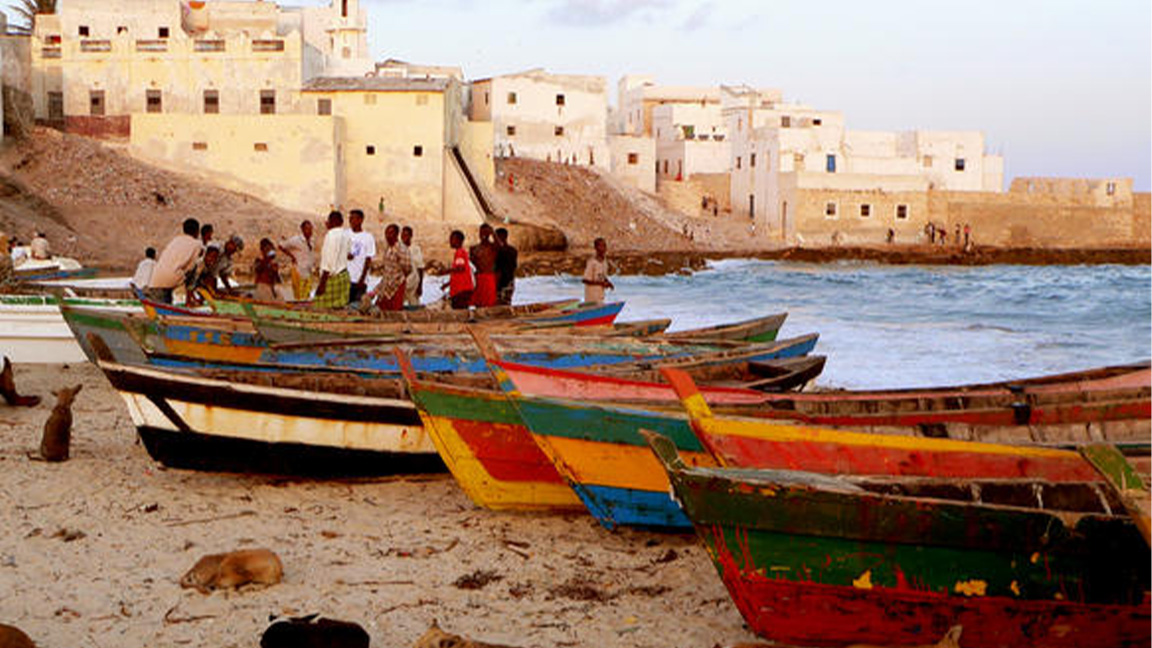
Somali piracy is resurging along one of the world’s busiest shipping corridors, raising fresh alarms for global trade and maritime security.
Key Points
Instability tied to conflict in Yemen and tensions across the Horn of Africa have created openings for pirate networks to test defenses off Somalia. At least three incidents were recorded this month alone, according to the UK Maritime Trade Operations, echoing the region’s tumultuous past when hijackings routinely disrupted container, tanker, and bulk cargo flows.
Naval forces say they are responding. The European Union Naval Force’s Operation Atalanta said it freed a Maltese‑flagged tanker near Eyl on Friday, a coastal town once synonymous with pirate activity. The mission underscored a sobering reality: piracy was suppressed, but not eradicated.
Fresh incidents raise alarms on a busy corridor
Reports of suspicious approaches, boarding attempts, and one short-lived hijacking have punctuated recent days. UKMTO alerts highlighted activity clustered along routes transiting the Gulf of Aden and the wider Indian Ocean, where ships bound between Asia, the Middle East, and Europe are most exposed.
The International Maritime Bureau logged five incidents in waters off Somalia and the Gulf of Aden in the nine months to September. That baseline has ticked up, prompting the watchdog to say it is concerned about the latest series of incidents in the Indian Ocean.
For shippers, even a handful of credible attempts can ripple through voyage planning. Captains may adjust speeds, reroute farther offshore, or request escorts, all of which add cost and time in a corridor essential for containerized goods, fuel, and grain.
What’s driving Somali piracy’s return
EU Navfor’s Operation Atalanta links the uptick to a permissive environment. The threat posed by the Houthis in Yemen—designated a terrorist group by the US—combined with regional tensions and local disputes, has been “understood by the pirate networks as an opportunity to resume piracy attempts,” the mission said.
Maritime-security firm Ambrey characterizes Somali piracy as opportunistic. When naval presence thins, ships lower their guard, or weather improves, risk rises. Senior analyst Daniel Mueller says reinforcing counter‑piracy patrols, vessel hardening, and physical security likely curbs boardings and hijackings—but those steps treat the symptom, not the cause.
Underlying drivers include weak coastal economies, limited state capacity, and the allure of ransom revenue during lean fishing seasons. That blend makes Somali piracy resilient whenever external pressure eases.
How navies and shippers are responding
International patrols, including Operation Atalanta, remain the backbone of deterrence. Proximity and rapid reaction were critical in the Eyl tanker rescue, underscoring the value of coordinated surveillance and quick-boarding teams.
- Naval tactics: Maritime patrol aircraft, satellite tracking, and cooperative tasking between EU, regional, and partner navies.
- Vessel hardening: Razor wire, citadels, water cannons, evasive maneuvering, and trained onboard security.
- Information sharing: Real-time incident reporting via UKMTO and IMB, convoy advisories, and risk maps to guide routing.
The best outcomes tend to pair visible naval presence with disciplined onboard protocols. Somali piracy thrives on gaps, and coordination is designed to close them.
A region with a long memory
Somali piracy peaked in 2011 with 176 attacks, after years of high‑profile hijackings that rattled insurers and spiked risk premiums. A 2009 incident inspired the film “Captain Phillips,” turning a maritime crisis into a cultural reference point.
The tide turned as multinational patrols intensified, shipping firms embedded armed guards, and Somalia’s federal institutions strengthened. Incident counts fell sharply, and some war-risk surcharges eased. But the history matters: when pressure fades, piracy attempts tend to reappear.
Somalia’s new law and capacity challenge
In a bid to deter resurgence, Somalia’s lawmakers passed anti‑piracy legislation on Monday. It’s a notable step toward aligning domestic tools with international enforcement.
Implementation, however, is the test. Somali authorities still rely on foreign militaries to secure key government sites and to patrol offshore. After decades of civil conflict, institutions are rebuilding, and resources are thin.
Somali piracy persists where law enforcement is stretched and local livelihoods are fragile. Debt relief of $4.5 billion in 2023 has created fiscal space for reforms and development, but translating statutes into coastal security requires time, funding, and training.
Economic stakes for global trade
A renewed threat to this corridor raises operational and financial risks:
- Higher costs: Longer routes, faster steaming, onboard security, and elevated insurance premiums.
- Schedule pressure: Delays compound across just‑in‑time supply chains for retail, autos, and energy.
- Risk concentration: Tankers and bulk carriers are especially exposed where speeds and routes are constrained.
For energy markets, detours can add days to voyages, nudging freight rates and delivered prices. For container lines, schedule reliability—the lifeblood of networks—can erode quickly if Somali piracy forces widespread rerouting.
Industry guidance and compliance
Shipowners continue to lean on Best Management Practices for transiting high‑risk areas. Core elements include:
- Pre‑sail risk assessments and crew drills.
- Hardening the vessel’s perimeter and limiting low freeboard access.
- Maintaining speed through high‑risk zones and using citadels during attempts.
- Continuous communication with UKMTO and regional maritime security centers.
These measures have a simple aim: to make each target too difficult relative to alternatives. When compliance slips, Somali piracy finds opportunities.
Regional politics and security spillovers
The conflict environment around the Red Sea and the Gulf of Aden adds complexity. Shifts in naval deployments to address other crises can thin coverage farther offshore. Local maritime agencies may be tasked with broader mandates, stretching already-limited assets.
Diplomatic coordination remains central. Information-sharing among coastal states, flag administrations, and naval coalitions helped suppress past waves of Somali piracy. The same playbook—paired with local capacity-building—will likely shape outcomes again.
Expert views on the outlook
Ambrey’s Mueller expects the threat to persist in fits and starts. Somali piracy, he notes, is inherently opportunistic—surging when conditions allow and receding when deterrence rises.
Operation Atalanta frames the moment as a warning rather than a crisis. “Piracy was suppressed, but not eradicated,” the mission said, emphasizing vigilance after its Eyl-area rescue.
For now, the pattern suggests more probes than sustained campaigns. But the span from approach to boarding can be minutes, and response time is everything.
What to watch in the weeks ahead
- Naval posture: Whether EU Navfor and partner navies increase patrols along known approach lanes.
- Incident cadence: If UKMTO and IMB reports continue to climb or stabilize.
- Legal follow‑through: Somalia’s anti‑piracy law moving from statute to arrests, prosecutions, and sentencing.
- Ship behavior: Wider adoption of vessel hardening and security teams, especially on lower‑freeboard ships.
- Insurance signals: Changes in war-risk premiums and routing advisories for the Gulf of Aden and Somali Basin.
A coordinated response can keep risk contained. Disunity—or a sharp diversion of naval assets elsewhere—could embolden pirate cells.
Bottom line
Somali piracy has reemerged enough to matter, but not yet enough to define the corridor. The latest incidents, the Eyl rescue, and Somalia’s new law form a clear message: vigilance and capacity-building need to rise together.
If navies sustain presence, ships adhere to best practices, and coastal governance strengthens, the window for attackers narrows. If not, Somali piracy will continue to test a route the global economy can ill afford to lose.
FAQ’s
What is driving the rise in Somali piracy?
Instability in Yemen, regional tensions, and limited coastal enforcement have opened windows for pirate networks. EU Navfor notes piracy was suppressed, not eradicated, making it opportunistic when deterrence thins.
How many Somali piracy incidents have been reported recently?
UKMTO flagged at least three incidents this month. The IMB recorded five incidents off Somalia and the Gulf of Aden in the nine months to September; attacks once peaked at 176 in 2011.
How do ships protect against Somali piracy?
Best practices include vessel hardening (razor wire, water cannons), trained security, citadels, higher transit speeds, and real‑time reporting to UKMTO/IMB. Escorts and adjusted routing add further protection.
Which routes are most at risk—and will costs rise?
High‑risk areas include the Gulf of Aden, the Somali Basin, and the Indian Ocean approaches to Bab el‑Mandeb. War‑risk premiums, rerouting, security teams, and longer voyages can push shipping costs higher.
Article Source: Bloomberg
Image Source: tahir turk, CC BY-SA 1.0, via Wikimedia Commons